Advocating for Your Own Care: An ICU Wake-Up Call
We’re taught from childhood to trust doctors.
When you’re a kid, your mom or dad fills the prescription, hands it to you, and you take it. Whatever the doctor says must be right — so we do it. No questions. No hesitation. No skepticism.
But now that I’m older, and now that the system has become much more diffuse and computerized, I know we have to advocate for ourselves.

The Illusion of Safety
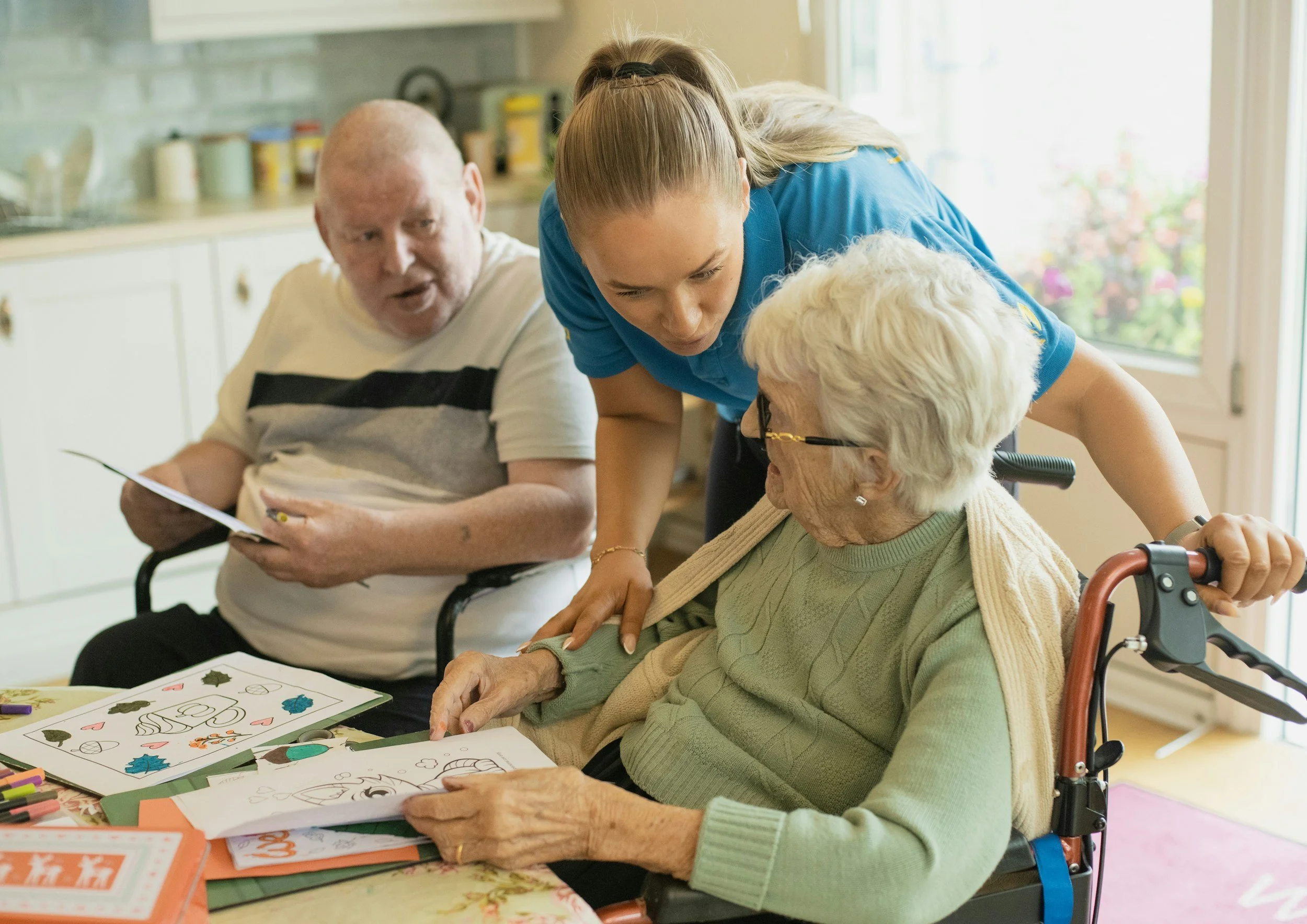
Years ago, I used to visit my mother in a “rest home.” There were wheelchairs lined up around the reception desk, older people parked in them like furniture. Often they would try to talk to me as I walked down the hall, saying, “Help me,” or “Oh, I hurt so bad.” A lot of the patients were asleep in their chairs, or drooling a bit as they went in and out of attentiveness to the here and now.
The facility was understaffed, and I remember thinking how sad that was. No matter the intent of the nurses and caregivers, it would be impossible to give due attention to all the needs present in these rooms and these hallways. And I’m sure some of them burned out on the impossibility of it all. In this facility, things were set up for failure.
Invisible in the System
Not too long ago, I went to the ER for a fall. I’ve mentioned this visit before - it happened at the gym. Before I share the story that I think gets my point across, I want to say that not all the doctors, nurses, and other support staff reflect what turned out to be, some unfortunate experiences at this visit.
Even before I talked with anyone, something happened that set the team up for failure. Even though my medical record was available on their electronic medical record system, somehow no one made the connection. My husband and daughter weren’t getting updates because I was listed as Jane Doe or Patient X, rather than by my name. To make matters worse, very few folks paid attention to my Medical Alert bracelet. These two critical sources of information weren’t not utilized.
It was a critical situation: a possible concussion and brain bleed on top of extremely high blood pressure. Yet, had they recorded my name properly and found my records, they would be miles ahead of treating me like an unknown.
When You Realize You’re on Your Own
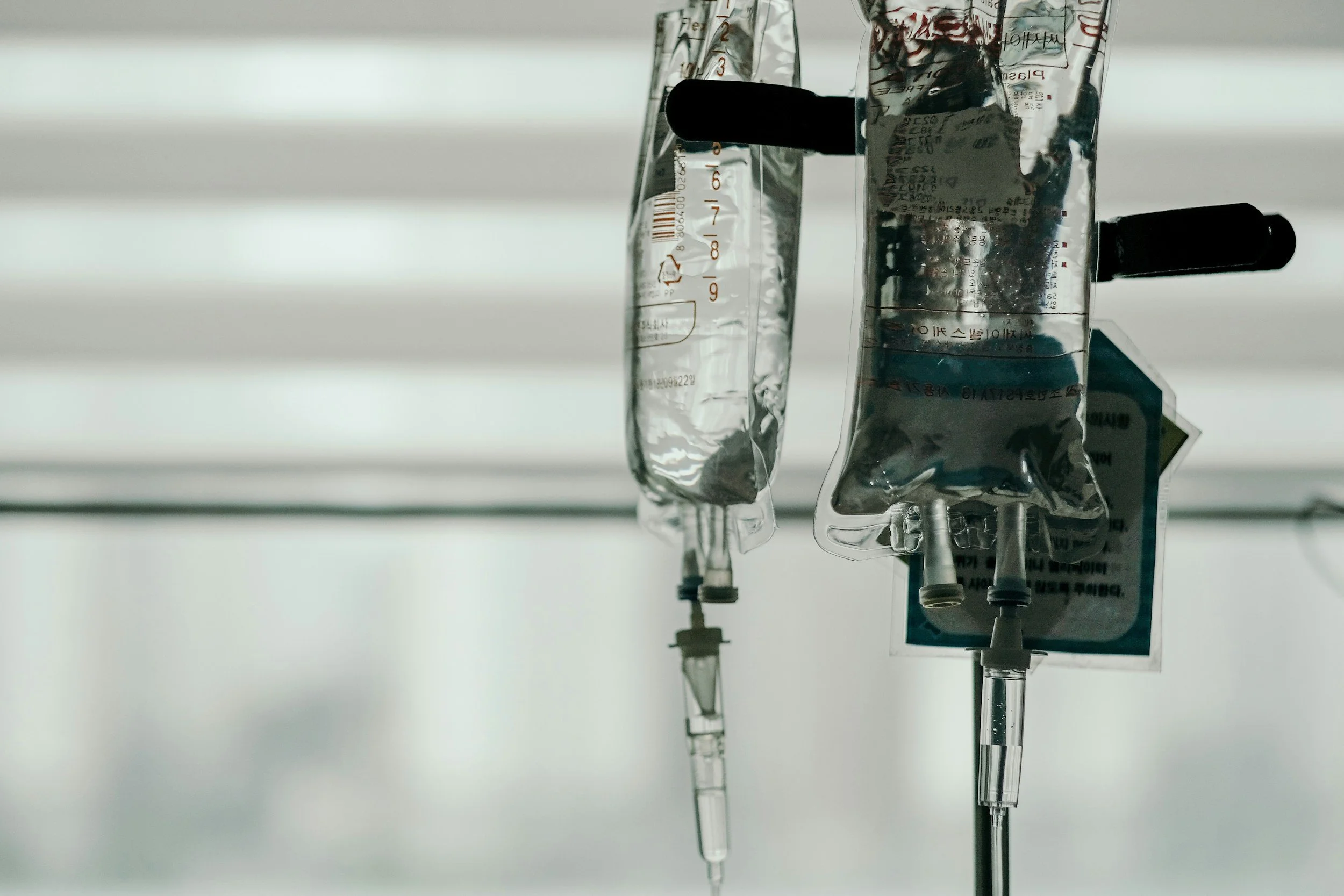
A new nurse came on shift after I was moved to the ICU. I was wide awake. Alert. Oriented. She approached my IV with a syringe without saying much to me. So I said, “What are you doing?”
She pushed the drug, and then said it was medication to bring my blood pressure down quickly. That’s the wrong order of action, even if it is an emergency. Later, she misidentified one of my drugs as the blood thinner I was on, and I could not convince her to check herself. I told her not to put anything else in my body without my permission. If I could have unhooked all that equipment, I would have walked out of there — CT scans, MRIs, and all.
Here’s the truth: Even without exhausted, burned out, or unskilled providers - even with the best providers giving you care, you will be safer if you understand yourself to be your primary advocate for care.
Here are a couple ways you can protect yourself.
Advocate for yourself. You cannot assume anyone is reading your chart. You cannot assume anyone knows your history. You cannot assume information transfers between systems. If you’re not speaking, asking, verifying — no one else is doing it for you.
Have your medical record accessible. Electronic. Paper. It does not matter. What does matter is that you 1) know where it is so you can grab it; 2) someone else you know and love also knows where it is and how to access it; and 3) you keep it updated. Old files from twenty years ago may matter somewhat, but it’s imperative that the record contains:
Active diagnoses / conditions
Current medications (with doses)
Medication, food, and environmental allergies
Implanted devices
Supplements that could affect treatment
Good supporting information includes:
Recent labs
Relevant imaging
Major medical history only:
Relevant surgeries
Hospitalizations
Chronic illnesses
Significant injuries
Not your entire life story. Not every test you’ve ever had. Just what matters for care decisions.

Another thing to know is that most medical facilities — especially hospitals — do not notify your providers that you’re there, even if they are in the same building doing rounds. Always ask that your physician be informed, and always call their office or send an electronic message as soon as you are able.
I survived my hospital visit, my elbow was set and healed, and I’m able to use my arm fully again. But some of the experiences I had in the hospital really hit me hard. I knew that I needed to step up and not expect these doctors to know about me, my past, my situation. It’s an emergency - and they are going for the quick fix before they focus in on the causes and the longer-term care. And while that’s how they save lives, I now know that I need to be ready with the information they need not to harm me along the way.
Lessons learned: Be prepared. Be organized. Be informed. Be assertive. Because you are the best continuity of care you have.
“All we have to decide is what to do with the time that is given us.”
This blog post is based on personal experiences and is not meant to provide medical advice.
Always consult your healthcare professional for personalized guidance on your health journey.
We have an “affiliate” bookshop store HERE where you can find books Linda has read or that look helpful for folks dealing with chronic diseases of various kinds. We get a small financial reward if you purchase
a book through the shop. It also helps support independent booksellers. Thanks!