Aging In Place
I’ve been thinking a lot about aging in place lately. Not in the dreamy, magazine-article kind of way. More in the real life, what happens when both of us get older at the same time kind of way. Aging in Place is starting to feel like a team sport.

For years, the plan has been simple: stay in our condo as long as possible. One level. No lawn. No stairs. No garden demanding weekend sacrifice. At the time, it felt practical. Sensible. Even slightly smug. Now it feels like we accidentally planned ahead. It was made easier by our move to a condo 10 years ago with opportunities to remodel parts of the new place in preparation.
Watching the Future Through Someone Else’s Stairs
My youngest daughter has been staying with friends in their 70s while she waits for her new apartment to be ready. Lovely people. Graceful. Independent. Still mowing their lawn and fixing little things around the house.
But their home has:
stairs to the front and back doors
old sketchy stairs to the basement for laundry
narrow and shallow stairs to the bedroom
clawfoot tubs in both bathrooms
Their home is beautiful, but it’s also a StairMaster and CrossFit course. They are managing beautifully right now. Truly. But when my daughter describes their daily routine, I hear the unspoken question underneath it: How long can anyone keep this up?

Our Condo Suddenly Feels Like a Strategic Decision
My husband and I are both in our 80s. I have Inclusion Body Myositis, which means deterioration is part of the package whether I like it or not. But we live on one level. No yard work. No basement. No heroic stair climbing just to do laundry. So maybe—without fully realizing it—we prepared for aging in place in the most practical way possible: we downsized our responsibilities.
I still work out at the YMCA and walk most mornings - two miles, sometimes more. It’s my way of negotiating with my muscles: Stay with me a little longer. My husband? He is in good health. Strong. Steady. But motivation changes with age. Comfort quietly replaces achievement. And I see it happening.
There are moments when I catch myself thinking I should be taking care of him… and somehow that results in me not taking the best care of myself. Aging, it turns out, is complicated math.
The Myth of the Caregiver
We like to imagine caregiving as a clear job description: One person helps. One person needs help. Real life is messier.
My husband and I are juggling weekly doctor visits, therapy appointments, treatments, medications (including blood thinners that make my arms look like I lost a boxing match). I now attend his doctor appointments so I understand his health as well as my own. We are quietly becoming each other’s medical assistants. And yes, “old age is not for the faint of heart” turns out to be aggressively accurate.
One of the hardest things is seeing the look on my husband’s face when he notices me struggling. Opening containers. Holding onto things. Little everyday tasks that used to happen without applause or assistance.
He steps in instantly. Always kind. Always ready. He calls himself my Uber Freddie, waiting faithfully in the comfortable seat of the Tesla while I go to appointments and treatments. We laugh about it. But underneath the humor is the shared understanding that these small moments are signposts. Markers on the road we are traveling together.
The Daughter Who Helps Without Being Asked
We have a daughter nearby who helps whenever she can. She’s in her 60s, still working, still living her own full and complicated life. I hate imposing. Parents never really stop wanting to protect their children from burden—even when the children are grown adults who just want to help. Sometimes we go to the gym or walk together. Mother-daughter time disguised as preventative maintenance.
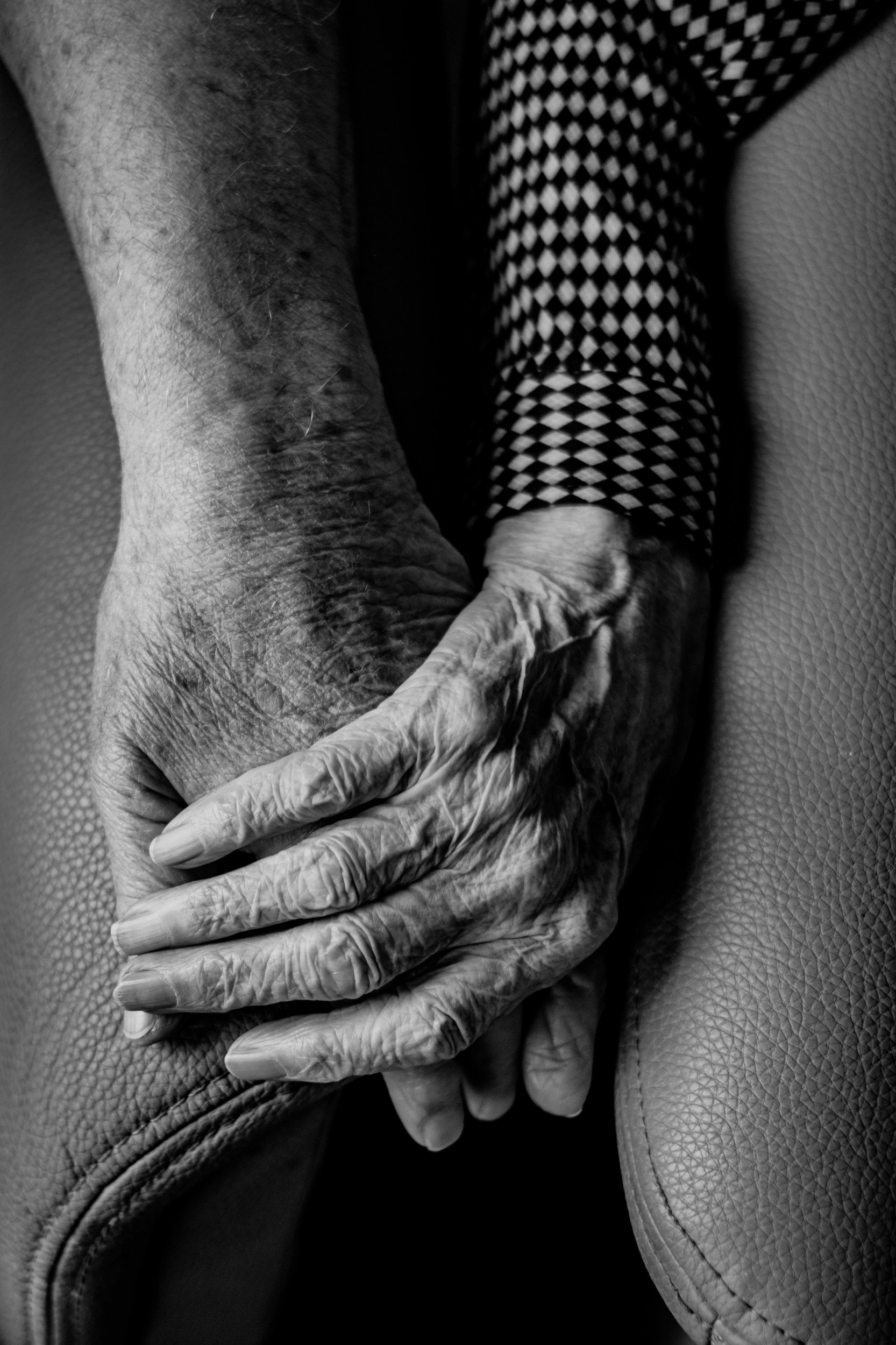
Aging in Place Is Really About Aging Together
I used to think aging in place meant staying in your home. Now I think it means staying in your life. Adapting. Planning. Paying attention. Using resources like Ability360 to learn what supports exist before you desperately need them. It means recognizing that independence slowly becomes interdependence. And maybe that’s not failure. Maybe that’s the whole point. Because the real goal isn’t staying perfectly independent forever. The real goal is staying together.
The Question We Should Be Asking Now
What happens a few years from now? It’s a scary question, and aging in place quietly asks it over and over again.
Not today. Not tomorrow. But eventually.
And here is the part we don’t like to admit: waiting until something happens is a terrible plan. Aging in place is not something you decide in a crisis. It is something you design in advance. It means asking uncomfortable questions while you still have choices:
Could we stay here if one of us needed a wheelchair?
What happens if one of us can’t drive?
Who helps if the other is in the hospital?
What services exist that we’ve never bothered to learn about?
What changes could we make now that would be simple today but overwhelming later?
Planning ahead isn’t pessimistic. It’s protective. It’s an act of love. Because the truth is, independence doesn’t disappear overnight. It fades slowly, quietly, in small increments. And the best gift we can give our future selves—and our families—is preparation instead of panic.
We don’t have to solve everything today. But we do need to start the conversation.
Look around your home. Look at your routines. Look at the people who help you now and imagine what life might look like if everyone involved were a little older and a little more tired. Then start planning while you still have the luxury of time. Because aging in place isn’t really about staying in your house. It’s about protecting your life, your partnership, and your dignity for as long as possible.
“All we have to decide is what to do with the time that is given us.”
— J. R. R. Tolkien
We have a bookshop store HERE where you can find books Linda has read, or that look helpful for folks dealing with chronic diseases of various kinds.
This blog post is based on personal experiences and is not meant to provide medical advice.
Always consult your healthcare professional for personalized guidance on your health journey.