What You Need to Know About Traveling by Air if You Have IBM or a Disability
Traveling with a chronic illness or mobility challenges takes more planning than it used to — but it's absolutely still doable. Here are some of the best tips I've found, including a few programs and protections that don't get nearly enough attention.

The Hidden Disabilities Sunflower Program
If you haven't heard of this one, bookmark it now.
The Hidden Disabilities Sunflower is a simple, voluntary program: you wear a sunflower lanyard, and it quietly signals to airport and airline staff that you may need extra time, patience, or assistance — even if your disability isn't visible. Lanyards are free or low-cost and available online or at many participating airports.
The program is now recognized at hundreds of airports worldwide, including LAX, Heathrow, and many others across the U.S. Flight attendants, TSA agents, and gate staff are increasingly trained to recognize it. It won't solve everything, but it opens the door to help without requiring you to explain yourself at every turn.
Request Assistance — It's Your Right, Not a Favor
There was a time I felt uncomfortable asking for help in airports. One trip through Sky Harbor dragging a suitcase with an uncooperative leg and zero energy cured me of that quickly.
When booking your flight, request wheelchair assistance. You can also call the airline directly to arrange support. Staff will meet you at the curb, help with your bags, and escort you through security and to the gate — sparing you the lines, the crowds, and the energy drain of navigating a large terminal alone.
Most airlines also allow passengers who've requested assistance to board early — a small thing that makes a real difference. Here’s a resource on knowing more about the ADA.
Mobility Aids Fly Free
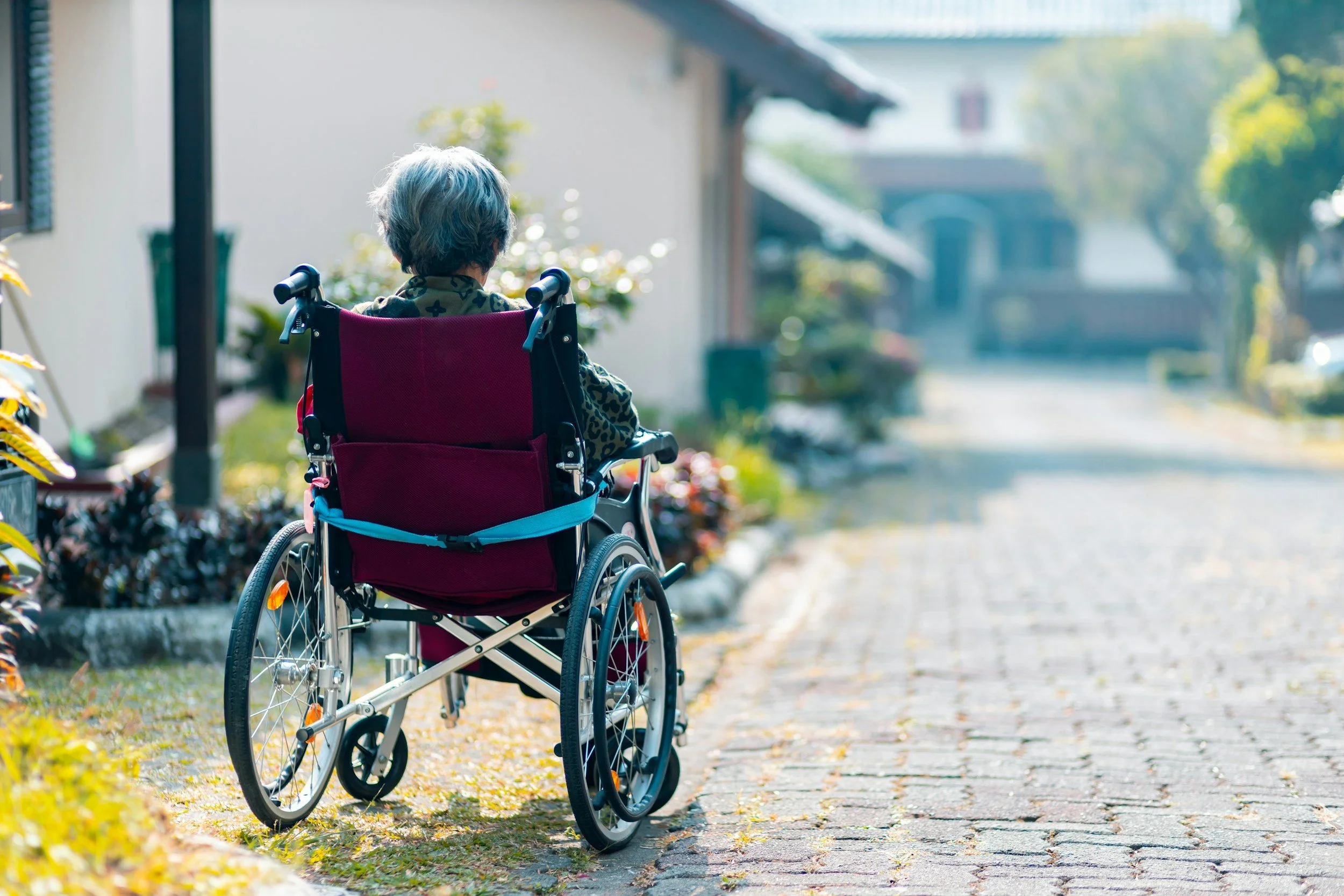
This is one of the most important things to know: under the Air Carrier Access Act (ACAA), airlines are required to transport assistive devices — wheelchairs, walkers, canes, scooters, CPAP machines, and similar equipment — at no charge. No baggage fees, no limits on the number of devices.
If an airline attempts to charge you for a mobility aid, you have the right to push back and reference the ACAA. You shouldn't have to pay extra to bring the equipment you need to function safely.
TSA Cares
The TSA runs a program called TSA Cares specifically for travelers with disabilities, medical conditions, or other needs that may complicate the security screening process. If you call at least 72 hours before your flight, they can arrange dedicated assistance — including help avoiding long lines, being screened while seated, and having an agent who understands your situation rather than having to explain it from scratch on the day.
If you travel with medical devices, mobility aids, or medications that require explanation, this call is worth your time. Here’s more on TSA’s website about disabilities.
"Let's Travel" — Disability Air Travel Advocacy
This initiative advocates for improved accessibility in air travel — from check-in to in-flight support — and offers useful, updated information on traveler rights and equipment policies. Worth bookmarking if you travel regularly. A video shared by The Myositis Association talks about this at length.

Long Layover? Use the Lounge
If you have a credit card with travel benefits or a frequent flyer membership, check whether lounge access is included. Many people have it and don't realize it. Day passes are also available for purchase at most airport lounges and are often worth the cost if you're facing a long wait: a comfortable seat, decent food, and a clean restroom go a long way.
It's also worth asking the airline's assistance desk whether any accommodations are available during extended delays, particularly if you've already requested disability assistance for your trip.
Keep Medications in Your Carry-On
Never check your essential medications — especially anything you cannot safely skip. Pack an updated medication list with dosages and your doctor's contact information.
For international travel, bring original prescription bottles alongside any pill organizers. Some countries have strict requirements, and having documentation ready saves headaches at customs.

Slow Down on Purpose
You do not need to rush through terminals. Give yourself generous layover times — a tight connection is stressful for anyone, and genuinely risky when you need extra time to move through a large airport. Many terminals now have rest areas, quiet rooms, and seating throughout concourses. Use them without guilt.
Traveling takes more out of me than it used to. Building in recovery time — before the flight, during a long layover, and after you arrive — makes the whole experience more manageable.
Final Thoughts
Traveling with myositis or any chronic condition is more complicated than before symptoms started, but it's far from impossible. The key is preparation, knowing your rights, and being willing to ask for help — which, it turns out, most people are genuinely happy to give.
The trip may look a little different than it once did. It might take longer, require more coordination, and involve a very good neck pillow. But the destination is still worth it.
Have a tip of your own? Share it in the comments — I'd love to hear what's worked for you.