Technology: The Unsung Sidekick in Life With IBM
Living with Inclusion Body Myositis (or any muscle-weakening disease) means that ordinary tasks have a way of turning into Olympic events. Buttons fight back. Pens slip away. Keyboards suddenly feel like they were designed for someone else’s hands entirely.
But here’s the thing I’ve learned along the way: technology doesn’t have to be flashy or futuristic to be life-changing. Sometimes it’s just quiet, practical help that lets you get through the day with a little more dignity—and a lot less frustration.
When Your Hands Get Tired, Let Your Voice Do the Work

Talk-to-text has become one of my favorite tools. On days when my hands feel like they’ve already put in a full shift before breakfast, I can still write emails, texts, and even blog posts by simply talking. The Alexa'-type speakers are a real boon to those who are less mobile. Instead of hunting for your phone, you canj ust say Alexa, call Pat at home.
Is it perfect? No. It occasionally invents words, misunderstands my sarcasm, or turns “IBM” into something wildly unrelated. But the freedom it gives me—being able to communicate without my fingers cramping up—is worth a few editing passes. For anyone whose hands fatigue easily, this kind of technology can be a game-changer.
The Right Desk Setup Matters More Than You Think
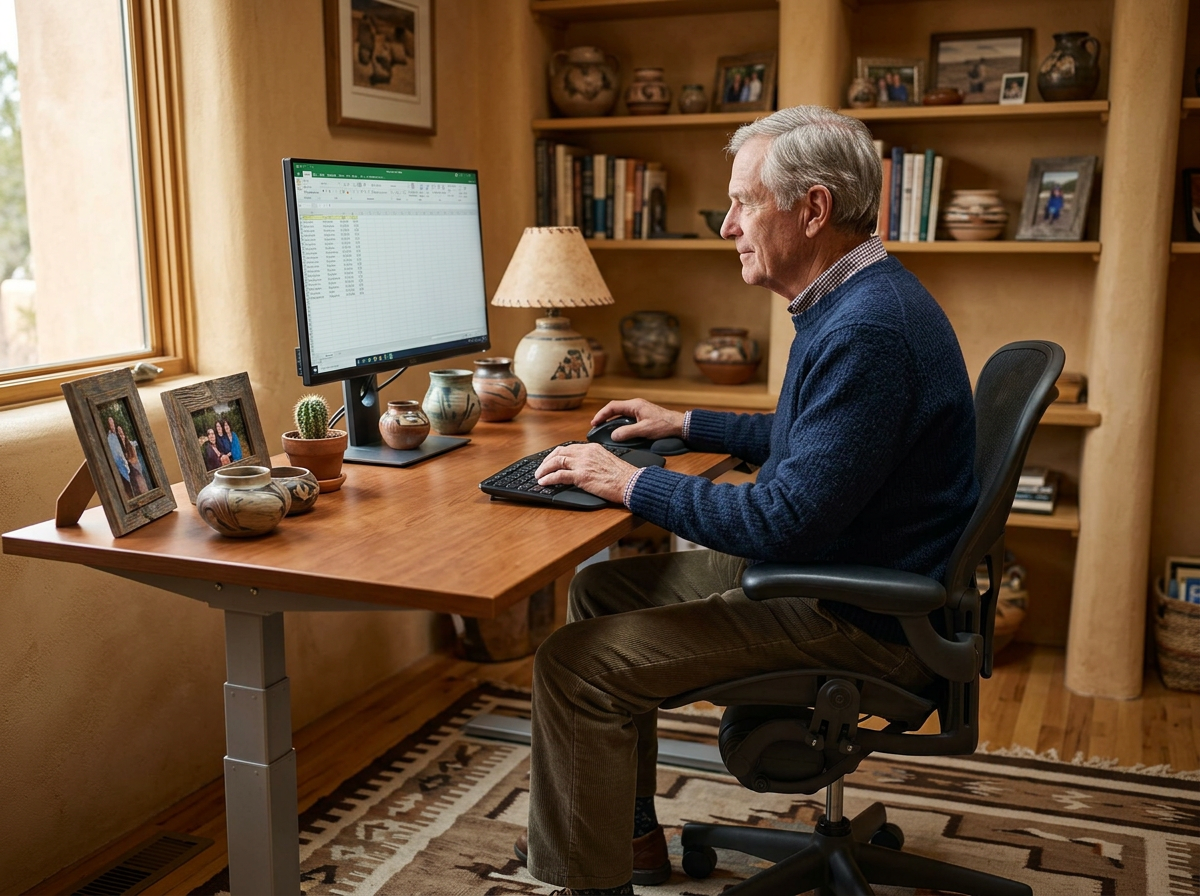
Adjustable-height desks and keyboards might sound like luxuries, but they’re really about energy conservation. When you’re already rationing strength like it’s a precious currency, having your keyboard and screen at the right height can make a noticeable difference.
Small adjustments reduce strain on shoulders, arms, and wrists. Less strain means less pain. Less pain means more energy left for the things you actually want to do—rather than spending it all just trying to sit “correctly.” A phone call to a restaurant can use apps like grub-hub to have food delivered right to your door or your groceries if you still have the energy to cook dinner.
Clothing That Works With You, Not Against You
Adaptive clothing deserves way more attention than it gets. Magnetic closures, Velcro, elastic waistbands, and side-opening designs aren’t about “giving up.” They’re about independence.
On days when buttons feel impossible or zippers require more grip strength than I have, adaptive clothing lets me get dressed without needing help—or a pep talk. That kind of independence matters, even if it’s something most people never have to think about.
Gripping Devices: Small Tools, Big Wins
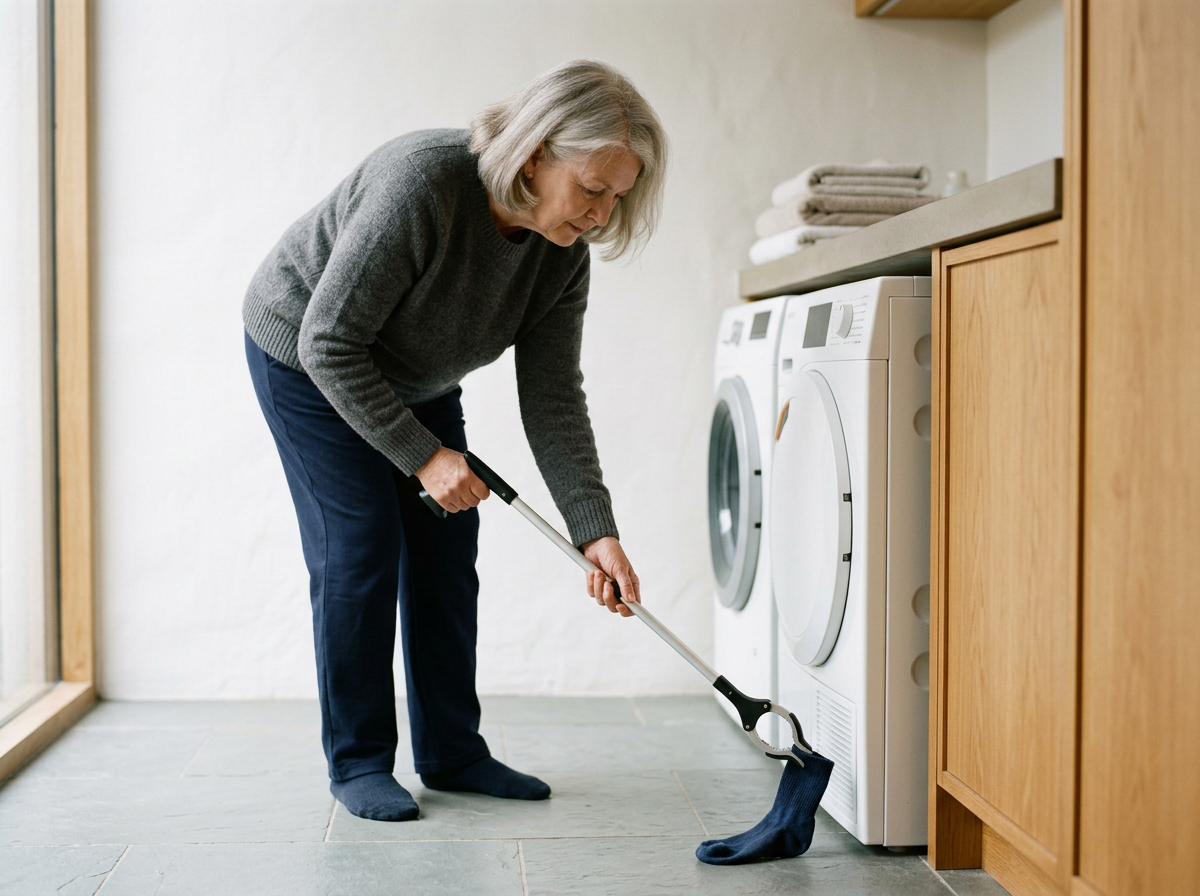
Sometimes the biggest victories come from the smallest tools. Adaptive grips for utensils, pens, toothbrushes, and everyday objects can make tasks doable again.
These devices reduce the amount of grip strength needed, which means less fatigue and fewer dropped items (and fewer moments where you stare at the floor wondering how something so small defeated you). They’re not glamorous, but they work—and that’s what counts.
Finding Support and Resources
Organizations like Ability360 do a great job of highlighting adaptive equipment, technology, and practical solutions for people living with disabilities. Whether it’s mobility aids, daily living tools, or education about what’s available, resources like this remind us that we don’t have to reinvent the wheel—or figure everything out alone. There are many devices to help you get off of the floor when you cannot do it the old fashioned way and they are improving all the time. For example, several iterations of exoskeletons have recently been introduced, and as they get more popular the price should go down and the features improve.
Technology Isn’t About “Fixing” Us
I don’t use technology to pretend I don’t have IBM. I use it to live with it. These tools don’t erase the disease, but they soften its edges. They give me options. They help me conserve energy for what matters—connection, creativity, and getting through the day without feeling defeated by the small stuff. Soon, we will even have robots who clean our house and do the cooking for us that are affordable.
And honestly? On days when IBM feels particularly bossy, I’ll take all the quiet, practical help I can get. If you have more ways to use technology, share with others by putting in the comments below.
“All we have to decide is what to do with the time that is given us.”
We have a bookshop store HERE where you can find books Linda has read, or that look helpful for folks dealing with chronic diseases of various kinds. You may see links to those books in the text of our blog posts. We get a small financial reward if you purchase a book through the shop, but the price is the same. It also helps support independent booksellers. Thanks!
This blog post is based on personal experiences and is not meant to provide medical advice.
Always consult your healthcare professional for personalized guidance on your health journey.