Final Visit to UC Irvine

I sincerely appreciate each of you who continues to read my posts. Truly. I hope they’ve been helpful—and at the very least, made you feel a little less alone in the maze that is IBM.
You might remember I wrote earlier about the INSPIRE-IBM study, which aims to gather information from people living with IBM. Here’s a quick refresher and why it matters so much.
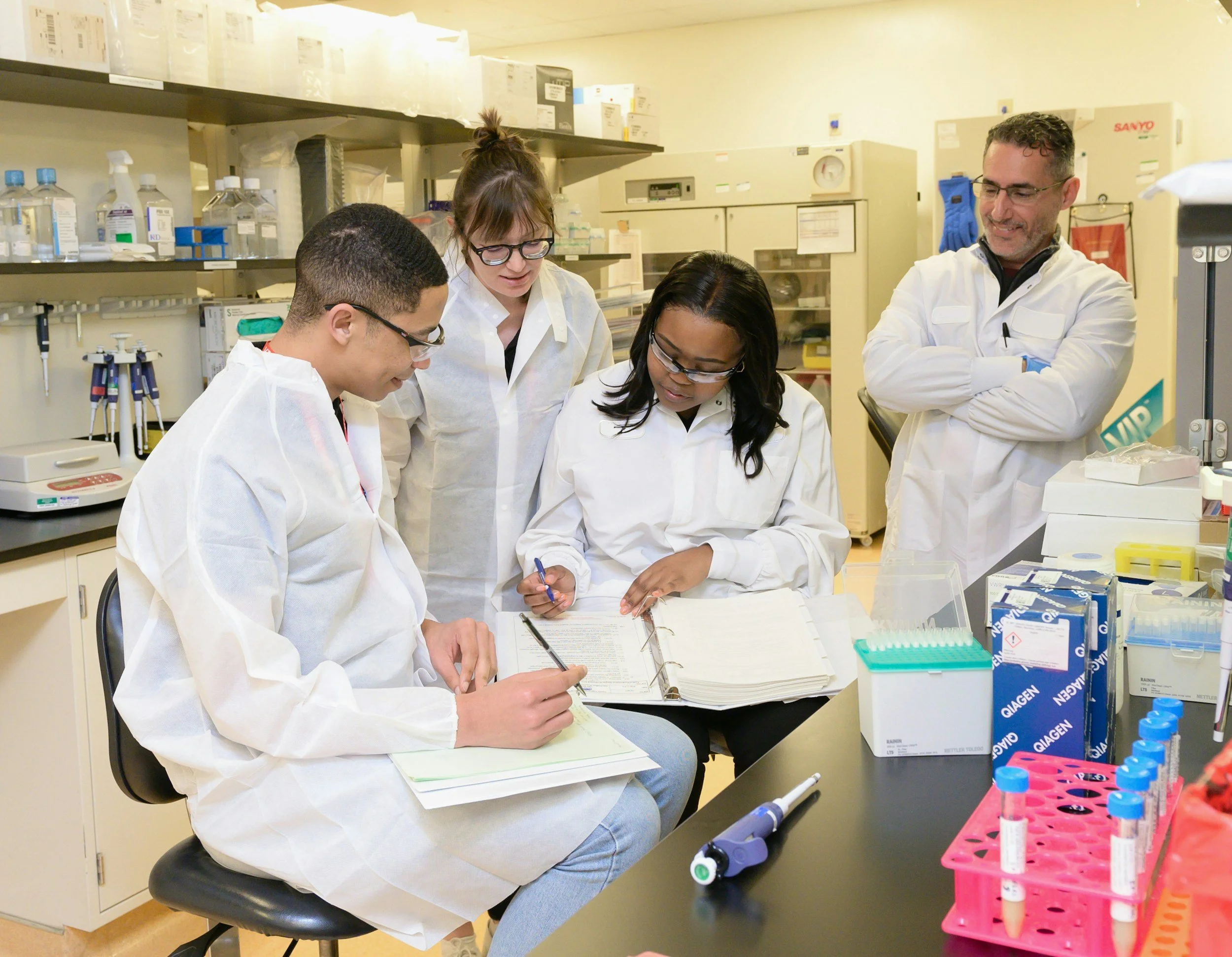
The study is a natural history study—researchers follow patients over time and observe how things change. For rare diseases like IBM, these studies are gold. They help identify patterns, possible common threads, and maybe even a “biomarker”—a test that reliably measures how the disease progresses. In other words, the big question is: Can we find something objective that tells us how IBM is moving, changing, or (on good days) not moving at all?
At my visit, a Physician Assistant once again ran me through the standard muscle tests—pushing, pulling, resisting, and generally trying to see how much force it takes to move my arms and legs out of position. Then, physical therapy repeated the tests with its gadgetry, which spat out actual numbers. It’s one thing to feel weaker or stronger; it’s another to hear, “You resisted 20 pounds of pressure.” Numbers don’t lie… even when we wish they would.
I’ve been going to physical therapy regularly to keep my remaining muscle condition strong, flexible, and on the payroll. So heading into this round of measurements, I’ll admit I was nervous. Had I improved? Declined? Stayed the same? I wanted the truth, even if I had to brace myself for it.
The Myositis Association has a worksheet for documenting changes—super helpful, by the way.

I asked the PA how things looked compared to my visit a year ago. And amazingly… my IBM had barely progressed at all. Cue the confetti cannons.
I feel incredibly fortunate. All the things I’ve talked about here—exercise, stretching, balance work, HBOT, adapting, trying new approaches—seem to be helping me hold the line. The study doctor met with me this time, and she was genuinely impressed at how stable things have been. We even talked about hyperbaric oxygen therapy. She said she’d support a study on it if I could manage to get one started. (No clue how to begin that, but if anyone has ideas, I’m listening!)
Before I left, the PA told me to stay in touch, update him, and reach out with any questions. And you better believe I will. For now, I’m celebrating a year of holding steady. In the IBM world, that’s practically a parade.
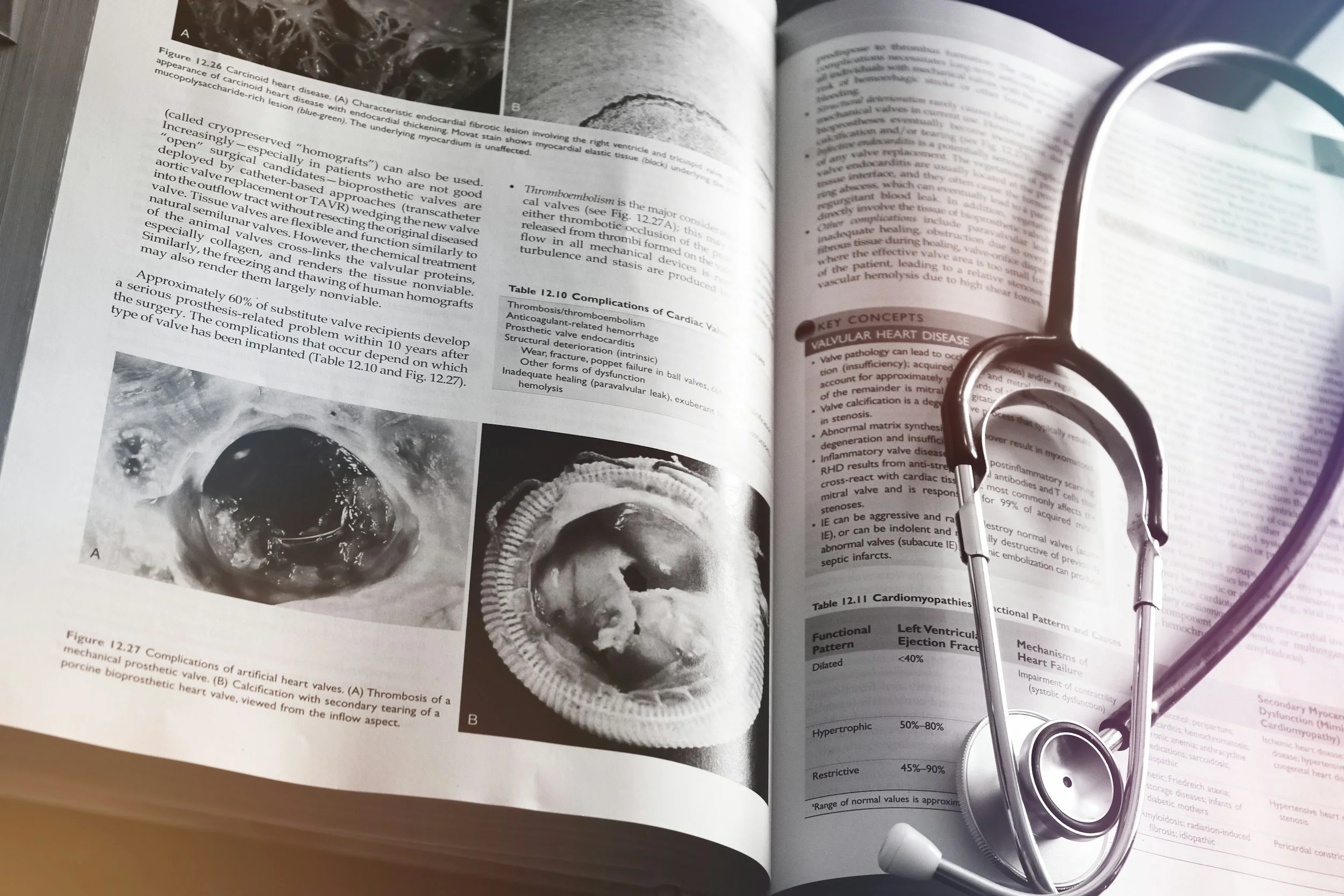
I was told all participants would be done by mid-January. Then, a report on the participant makeup will come out by mid-year 2026. The serious analysis of the data should be published in early 2027. It is the most extensive IBM study of its kind.
I was also told the results of the drug efficacy/safety testing for ABC008 will be out in 2026, so 2026 will be a great year for IBM patients.
Meanwhile, I hope you are all well.
“All we have to decide is what to do with the time that is given us.”
This blog post is based on personal experiences and is not meant to provide medical advice.
Always consult your healthcare professional for personalized guidance on your health journey.