The Biopsy Question: Do We Really Need to Cut Into a Muscle to Diagnose IBM?
If you've been circling the world of Inclusion Body Myositis for any length of time, you've probably heard the word biopsy spoken with a mix of reverence, dread, and frustration. It's often described as the "gold standard" for diagnosing IBM — yet somehow, many of us walk away with results that say things like inconclusive, suggestive, or consistent with but not definitive.
I've been there. And I remember thinking: we did all of that… for this?
So let's talk about it. What muscle biopsies actually are, how they're done, why doctors sometimes want more than one, and the question every patient asks quietly (or not so quietly): does it hurt, and is it worth it?
What Is a Muscle Biopsy, Anyway?
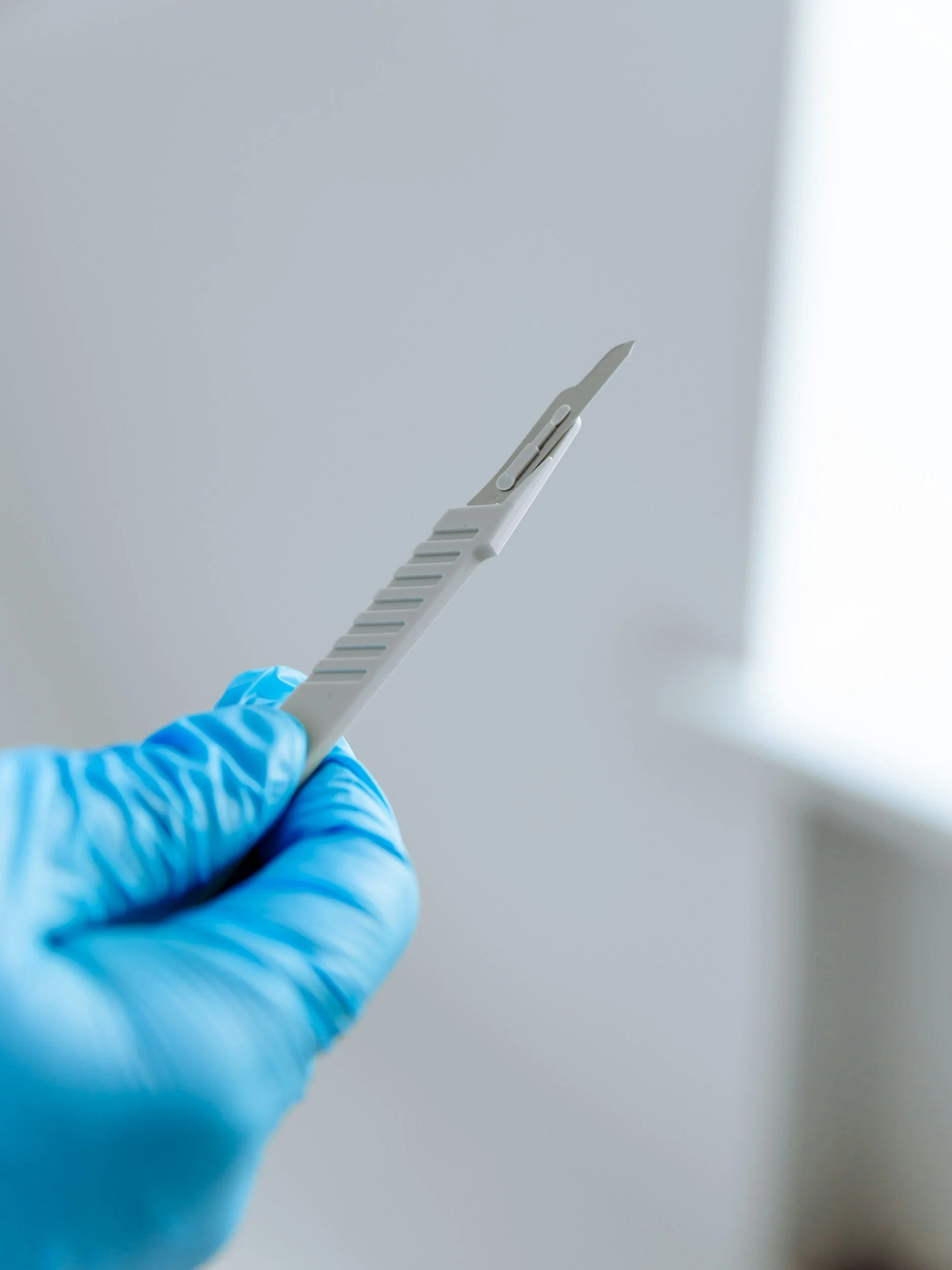
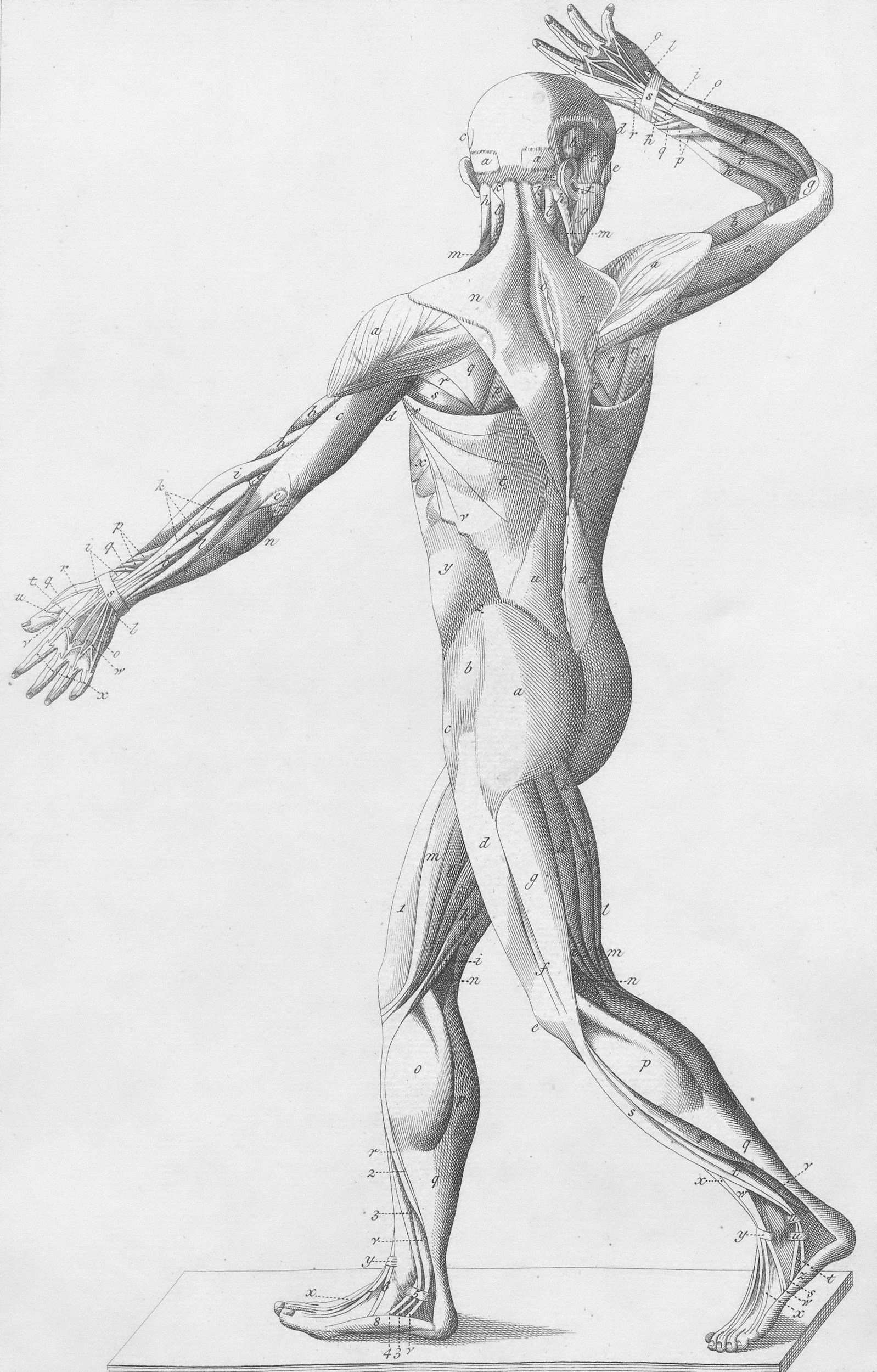
A muscle biopsy is exactly what it sounds like: a small piece of muscle tissue is removed so it can be examined under a microscope. In IBM, doctors are looking for very specific features — things that separate it from polymyositis, dermatomyositis, or other inflammatory muscle diseases.
There are generally two ways biopsies are done. A needle biopsy uses a thick needle to remove a small core of muscle — less invasive, quicker healing, but sometimes too small to tell the full story. An open biopsy involves a small incision and a larger tissue sample, which gives pathologists more to work with but also means more recovery time. Neither option is fun, but both are common and usually done under local anesthesia.
Does It Hurt?
Short answer: yes, but usually not the way you fear.
During the procedure, the area is numbed. You may feel pressure, tugging, or an unsettling awareness that something is happening — but not sharp pain. Afterward, though, there's soreness. Think deep bruise meets overworked muscle. Some people bounce back in days; others feel it for weeks, especially if the muscle was already weak.
What hurts more, honestly, is the waiting. Waiting for results. Waiting to see if this painful step actually brought clarity — or just more questions.
How Are Biopsies Read?
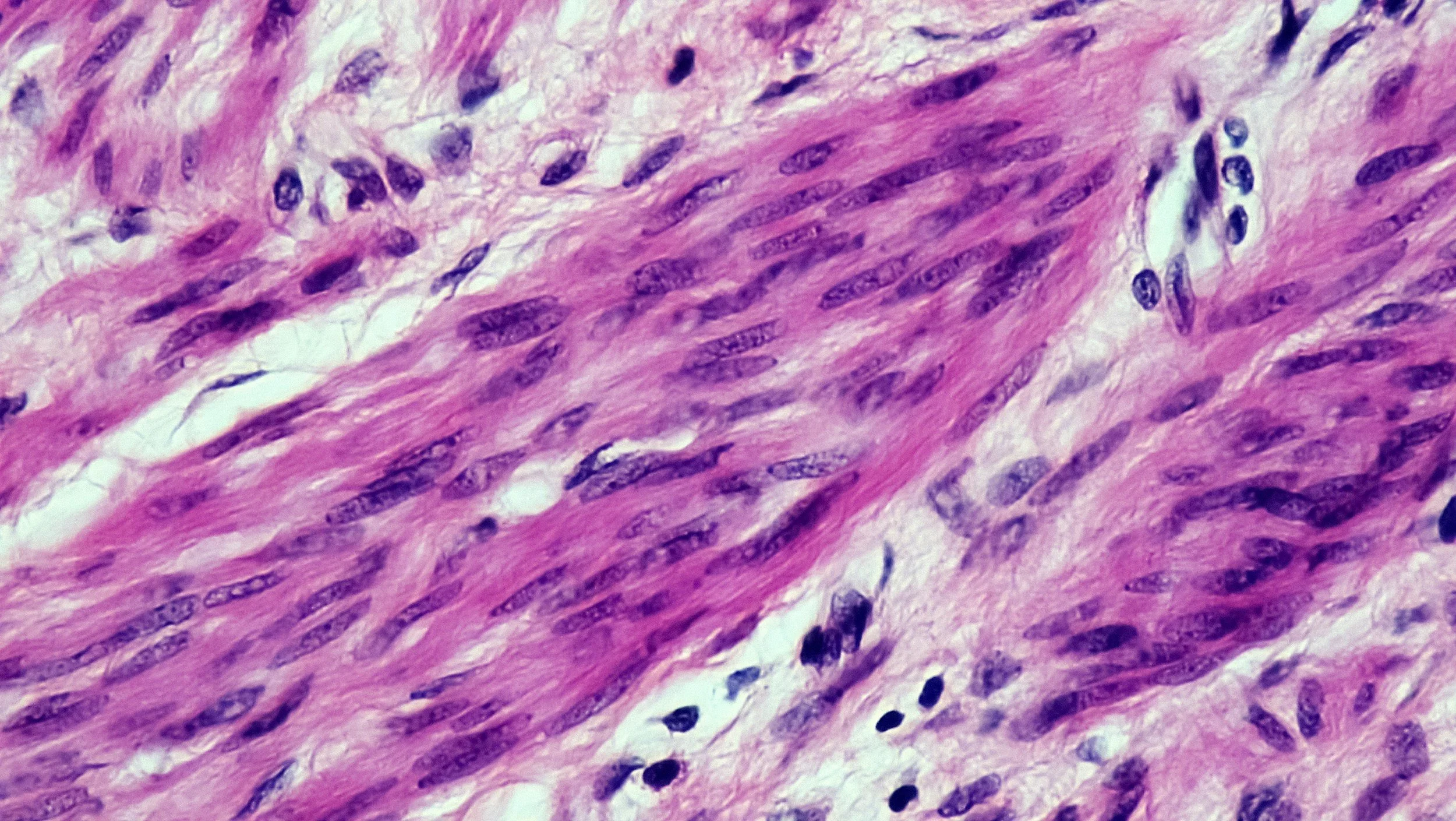
Once the sample is taken, a specialized pathologist examines it using several stains and techniques. In IBM, they're looking for a combination of features: inflammatory cells invading muscle fibers, rimmed vacuoles (little "holes" inside muscle cells), protein aggregates like amyloid or TDP-43, and mitochondrial abnormalities.
Here's the tricky part: IBM doesn't always show all of these features at once, especially early in the disease. Which leads us to…
Why Are So Many Biopsies "Inconclusive"?
Because IBM is a master of hide-and-seek.
Early in the disease, inflammation may be present without the classic degenerative changes. Later, degeneration may dominate with less inflammation. If the biopsy samples the "wrong" muscle — or a muscle that's too far gone or not affected enough — the hallmark signs can be missed entirely. Add in variability in pathologist experience with IBM, differences in lab techniques, and small sample sizes, and suddenly "inconclusive" starts to feel less like a failure and more like an unfortunate reality of a rare, slow-moving disease.
I don't say that to discourage anyone from pursuing a biopsy. I say it so that if your results come back without a clean answer, you don't spend the next six months wondering what you did wrong. You didn't do anything wrong.
Why Would Anyone Do More Than One Biopsy?
This feels almost cruel when you first hear it. You want to do this again?
But there is a rationale. IBM evolves over time. A biopsy done early may look like polymyositis. A biopsy done later may finally reveal the rimmed vacuoles and protein deposits that point more clearly toward IBM. Sometimes a second biopsy — taken from a different muscle or years later — provides the confirmation that guides treatment decisions, disability documentation, clinical trial eligibility, or simply peace of mind.
That doesn't mean everyone should have multiple biopsies. It means the decision should be individualized, thoughtful, and worth the cost — physical and emotional. There's no shame in asking your doctor exactly what they expect to learn from a repeat procedure, and what they'll do differently with that information.
Is It Worth It?
That's the most personal question of all — and I don't think anyone can answer it for you.
For some people, a biopsy provides clarity after years of uncertainty. For others, it confirms what they already knew in their bones — literally. And for some, it adds another scar without adding answers.
My own thinking: a biopsy makes sense when the result will actually change something. Access to a clinical trial. Eligibility for specific support. A treatment decision that hinges on diagnostic certainty. Early in the disease, when it genuinely matters whether you have IBM versus something else, the case is stronger.
But if your clinical picture already clearly fits IBM — your symptoms, your progression, your imaging — it's completely reasonable to ask: what will this change? And to expect a real answer before you say yes.
You are allowed to ask that question. And you are allowed to say no.

The Bigger Picture
Biopsies are tools — not verdicts. In IBM, they are one piece of a puzzle that also includes clinical symptoms, progression over time, imaging, blood work, and lived experience.
If your biopsy was inconclusive, you didn't fail. If your doctor seems unsure, they aren't incompetent — they're navigating a disease that refuses to follow neat rules. And if you're weighing whether to do one at all, you deserve a full conversation, not a rushed recommendation.
IBM teaches us patience we never asked for. Muscle biopsies are part of that lesson — for better or worse. And sometimes the bravest thing we do isn't saying yes to another procedure. It's asking whether we really need it.
One More Thing: Pushing for Better
One of the quiet realities of rare disease life is that we often become part of the evidence. Our bodies, our timelines, our "inconclusive" reports — they all feed into a system that is still learning as it goes.
I've come to believe that improving diagnostic standards doesn't mean abandoning biopsies. It means contextualizing them — combining pathology with longitudinal observation, advanced imaging, functional assessments, and, most importantly, listening to patients who have lived in these bodies for years.
When a biopsy comes back inconclusive, the burden too often shifts to the patient to keep proving they're still struggling, still declining, still worthy of answers. That's not right. And the way it changes is through better research, better diagnostic frameworks, and patients continuing to share their stories and ask better questions in exam rooms. That's advocacy too — even on the days when it's quiet.
Have you had a muscle biopsy as part of your IBM diagnosis? Was it conclusive? I'd love to hear your experience in the comments.
“All we have to decide is what to do with the time that is given us.”
— J. R. R. Tolkien
We have a bookshop store HERE where you can find books Linda has read, or that look helpful for folks dealing with chronic diseases of various kinds.
This blog post is based on personal experiences and is not meant to provide medical advice.
Always consult your healthcare professional for personalized guidance on your health journey.