Setting the Pace: Getting a Surprise Pace Maker
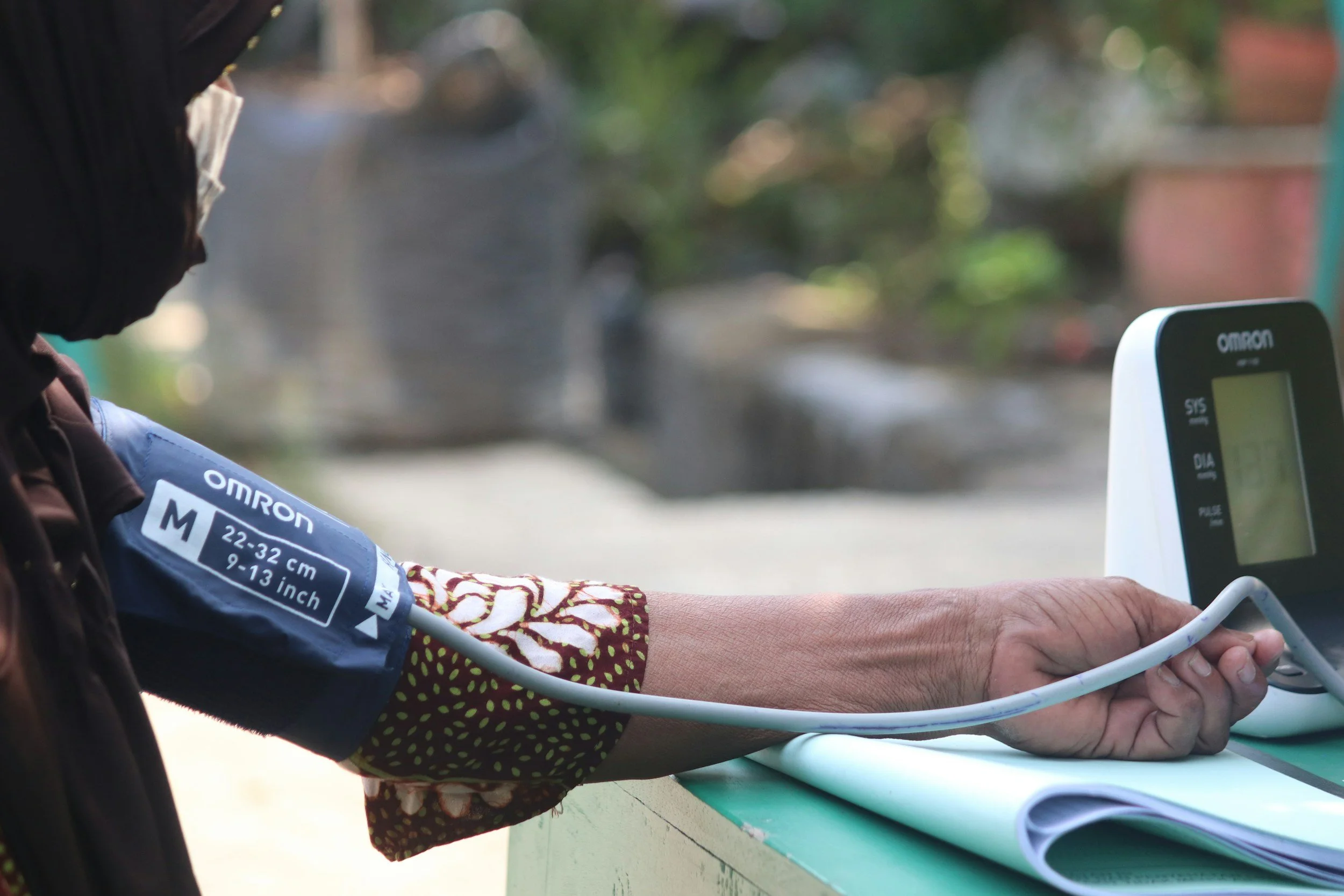
One day I was just sitting in my recliner because I felt exhausted. I mentioned to my husband that I didn't feel right. We took my blood pressure. Pressure was okay, but pulse was 30. I have always thought I was in great shape because my pulse was low and I had quick recovery from exercise. I never knew there was such a thing as "too low" — except when it stopped, of course.
My husband brought me my shoes and said he was taking me to the emergency room. A short drive later I arrived at registration and was met with a wheelchair. They sent me to the lady who does the armbands and asked why I was there. I told her, she hustled a band on my arm, told Fred to finish the sign-in, and rolled me back to the emergency room. Then it got real busy in there. They started a drip, put the blood pressure monitor on me and the pulse meter on my finger. The alarm for the pulse kept beeping — it was holding steady in the low 30s.
I had gotten a loop recorder placed the last week of December, and it was now February. I seem to always need medical help on holidays — this time it was the day before Valentine's Day. My 54th wedding anniversary was on the 16th. I noticed I had a medical bracelet on but no one was reading it, so I handed it to the nurse. They needed to know my history.
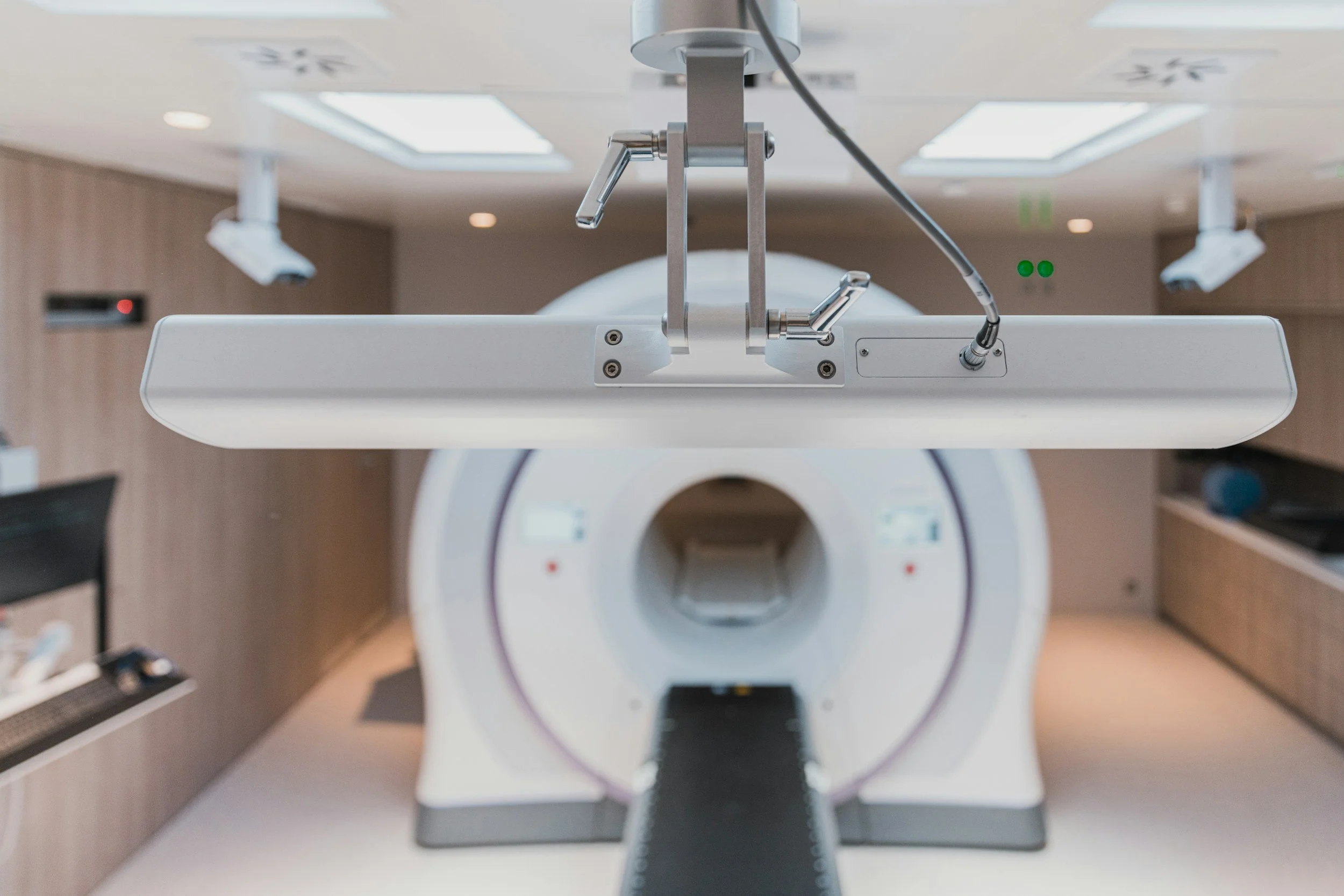
Then it was time for scans. Neck and head first, then another with contrast, then a chest x-ray. CT, MRI — a constant bed ride to treatment rooms and back. Then we waited for someone to read them all. I dozed off for a bit and wondered why my husband hadn't come into the room yet. Turns out that because they hadn't put my name in the computer, my husband and daughter didn't even know for sure where I was. They finally found me. The emergency nurse came back and said I was being admitted to the coronary floor as soon as a room was available. It was nearly shift change by the time I got one, but I was pleasantly surprised — the staff who were counting the seconds until they could go home after a long day were efficient, pleasant, and got me settled without complaint. By then I was starving, so they even ordered me some dinner.
My daughter and husband stayed and visited for quite a while. Then our Tesla drove hubby home in the dark. (He had always hated driving in the dark before the Tesla.)
The next morning the new crew introduced themselves and I ordered breakfast. Then came a parade of doctors — each one a different specialty, each one trying to figure out what to do with me. One of the staff asked if I had a reader for my loop recorder at home. I did. I'd have my husband bring it when he came to visit.
Then my neighbor texted to say my husband had just been dropped off at the emergency room.
Strange, I thought — maybe he was just coming to see me and got confused about the entrance. But then my daughter appeared at my door saying she was going to the ER to check on Dad. Wait — what was wrong with him? Apparently he had woken up in his recliner that morning so dizzy he couldn't stand. He called our daughter but she didn't answer, so he called the neighbor and asked to be taken to the same ER where I'd been brought the day before. They ran him through tests and said he needed to stay on the neurology floor for observation.
By then it was our anniversary.
I asked the staff if I could be wheeled over to see him. No — you're both fall risks, so that's not happening. Fine. Daughter, please go tell him happy anniversary from me.
He obviously hadn't brought what the staff wanted from the house. I asked her to bring it the next morning — luckily she lives next door. She brought it, but it turned out not to be what they meant at all. The staff asked how I read the reports from it. I said I didn't — the doctor and the medical tech company did. That staff member went to ask his supervisor, came back with an actual reader, and recorded what it said. Now we waited for that to be interpreted.
When the cardiologist read it, he said: we need to get the electricians in here.

I didn't see a light bulb out, so I assumed he meant someone to interpret the reading. As it turns out, "the electricians" is what everyone apparently calls the electrophysiology department. They weren't scheduled until Monday.
On Monday, a woman introduced herself as the PA for the electrophysiology team. She scooted her chair close to my bed and said she had read the loop recorder data and wanted me to see it. My heart had been stopping for 11 seconds at a time.
That didn't sound good. I wasn't sure exactly what it meant, but I was pretty sure 11 seconds of nothing was not ideal.
She said: I'm going to ask you to make a decision quickly. You need a pacemaker. She explained what it does, walked me through the procedure, went through all the medical details. I managed a quick phone call with my husband between his tests and his own parade of doctors, but it wasn't much of a conversation. I thought about it for a few minutes and said yes. I asked how far out it would be scheduled.
Oh no, she said. You're scheduled for 12:30 today. This was 9:30 AM. She hoped I hadn't eaten breakfast.
As luck would have it, one of the nurses had accidentally left the phone out of my reach that morning, so I'd been unable to order anything. The universe, apparently, had a plan.
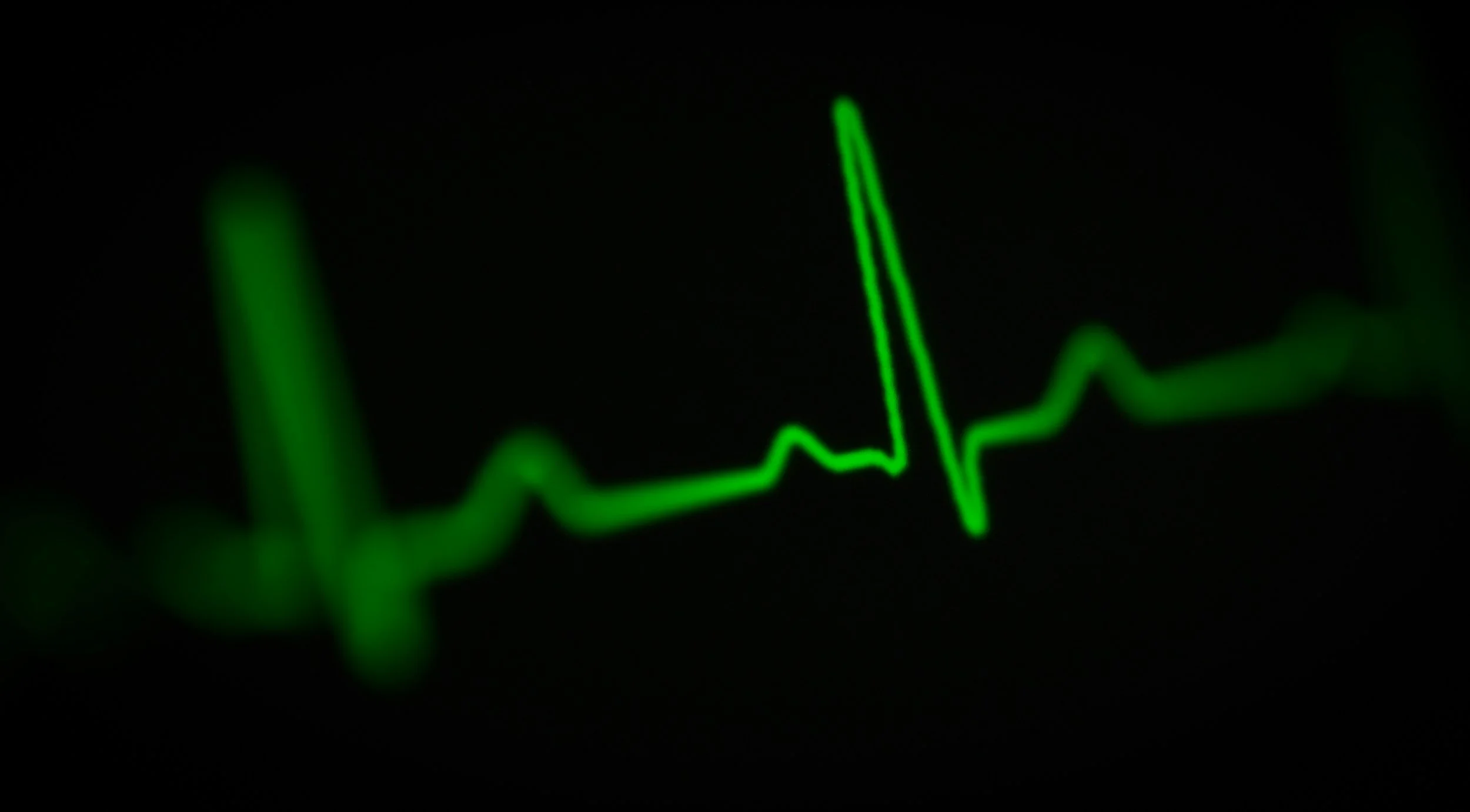
So — I have a pacemaker now. My heart beats at least 60 beats per minute, all the time, whether it feels like it or not.
I'll be honest: it's strange to know there's a small device in my chest making sure my heart doesn't just... stop. But it's also a relief. And if you're living with IBM or any other chronic condition and you've been feeling "off" in a way you can't quite explain — please don't talk yourself out of getting it checked. I almost didn't say anything that day. I'm glad I did.
Fred is fine, by the way. Happy belated anniversary to us.
Has anyone else had a surprise cardiac finding alongside their IBM diagnosis? I'd love to hear your experience in the comments.
“All we have to decide is what to do with the time that is given us.”
This blog post is based on personal experiences and is not meant to provide medical advice.
Always consult your healthcare professional for personalized guidance on your health journey.
We have an “affiliate” bookshop store HERE where you can find books Linda has read or that look helpful for folks dealing with chronic diseases of various kinds. We get a small financial reward if you purchase
a book through the shop. It also helps support independent booksellers. Thanks!