Swipe right for a neurologist
Finding the Right Doctor When You Have a Rare Disease
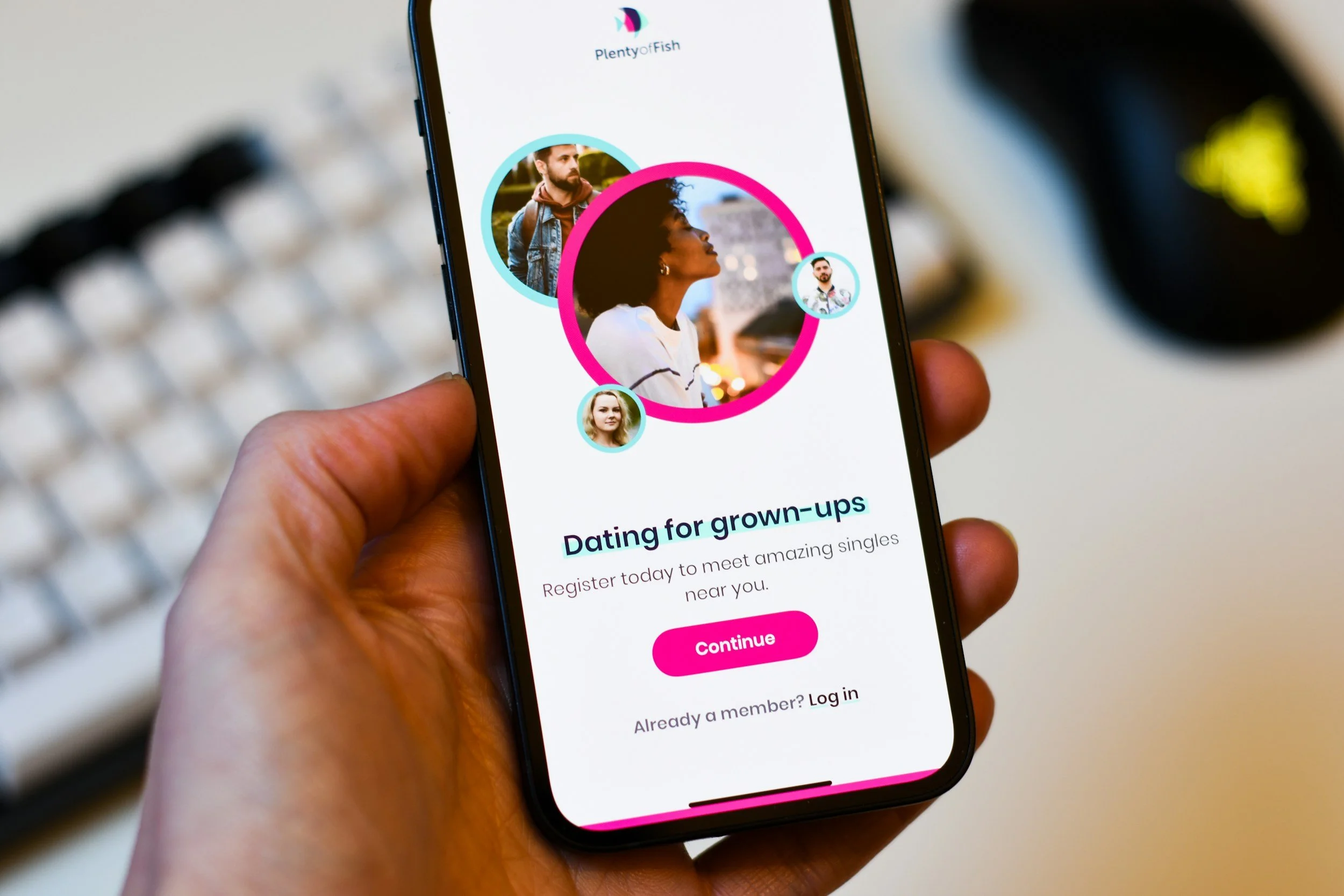
Finding the right doctor when you have a rare disease like Inclusion Body Myositis is a bit like dating. There's the awkward small talk, the hopeful "maybe this is the one" moment, and sometimes… the disappointing realization that you've just wasted your time and should have stayed home with a good book.
My neurologist was recently promoted, so I will be on this quest again in a few months. Back to the research!
If you're looking for a doctor to manage IBM, start by searching for a neurologist who specializes in IBM—they'll have the most up-to-date knowledge of the condition. If there isn't one in your area, look for a neurologist who specializes in neuromuscular diseases. Both neurologists and rheumatologists can treat IBM, and you may benefit from either or both, depending on your symptoms and what's available in your area. What matters most is finding someone experienced with neuromuscular conditions who stays current with research.

I've had both ends of the spectrum — the doctor who looked at me like I was speaking Martian when I said "IBM," and the one who had clearly done their homework before walking into the room. Spoiler: the second one got a second date.
IBM isn't just rare — it's rare enough that many doctors will go their entire careers without seeing a patient with it. That means they may rely on outdated research, conflate it with something else, or dismiss symptoms that don't fit neatly into the textbook. Like pain, for example. Some still insist IBM "isn't painful." I wish they could trade bodies with me for a day.
When you have a condition this uncommon, you quickly realize that you're not just the patient — you're also the teacher, the note-taker, and sometimes the quality control department.

You know you've found a keeper when . . .
They listen more than they talk.
They aren't threatened by bringing printouts, research, or questions.
They're willing to say "I don't know" — and then actually look it up.
They treat you like a person, not just "the IBM case at 2 p.m."
They make you feel like you're part of the team, not just a bystander to your own care.
These principles apply whether you're managing IBM or any chronic condition. A good doctor is a good doctor, rare disease or not.

How to Make the Relationship Work
Come prepared. I bring a short list of my top concerns — otherwise, I'll remember everything I wanted to say in the parking lot afterward.
Say it plainly. If my legs feel like overcooked spaghetti by noon, I just say that. No medical poetry needed.
Track changes. Photos, videos, or notes can help them see what you see over time.
Bring backup. Another set of ears catches the things you might miss, especially when medical jargon starts flying.
Know when to move on. If the doctor isn't listening, doesn't respect your input, or seems uninterested, it's okay to break up. This is your health, not their ego.
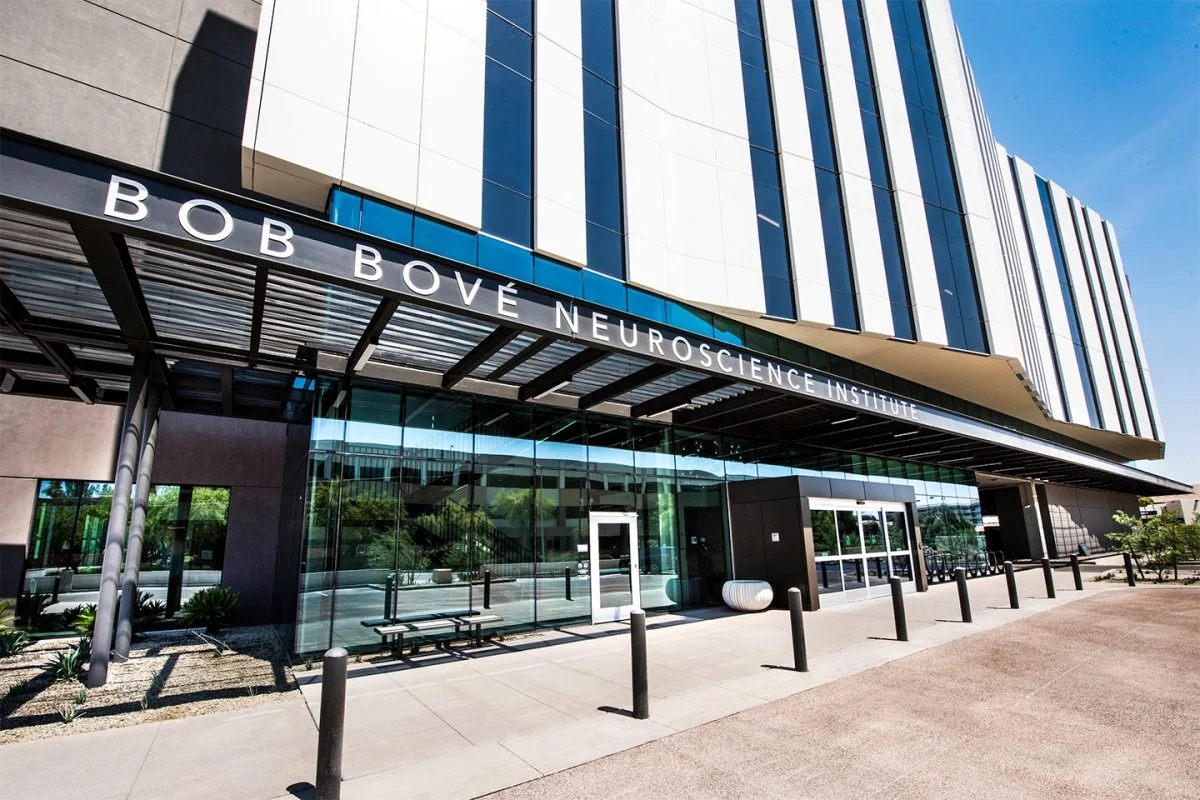
I want to acknowledge my former neurologist, who provided excellent care during the year and a half we worked together. Having a doctor who truly understood IBM made an enormous difference in my quality of life and treatment. It reminded me how valuable the right match can be—and why it's worth being patient in the search. And it was not just her; it was the whole team. They all do a great job, and I’m glad I’ll continue to work with them in the future.
So here I go again—back to researching, asking for referrals, and preparing for those awkward first appointments. But this time, I know what I'm looking for. And whether you're managing IBM or any chronic condition, remember: finding the right doctor isn't just about their credentials. It's about finding someone who sees you, listens to you, and treats your health like it matters—because it does.
“All we have to decide is what to do with the time that is given us.”
We have a bookshop store HERE where you can find books Linda has read or that look helpful for folks dealing with chronic diseases of various kinds. You may see links to those books in the text of our blog posts. We do get a small financial reward if you purchase a book through the shop, but the price to you is the same. It also helps support independent booksellers. Thanks!
This blog post is based on personal experiences and is not meant to provide medical advice.
Always consult your healthcare professional for personalized guidance on your health journey.