Why You Might Want to Try Blogging

Why We Write. Why We Share. And Why It Matters More Than We Think.
I didn't start writing a blog because I thought I had something profound to say. I started because I needed somewhere to put the thoughts that were rattling around in my head. The questions. The fears. The strange, quiet grief that comes with living in a body that no longer follows instructions.
Writing became a place to set things down so that I didn't have to carry them all the time. Somewhere along the way, other people started reading.
When you live with a rare disease like Inclusion Body Myositis—or any chronic, progressive condition—it's easy to feel invisible. You walk through your days knowing your life looks nothing like what you planned, while the rest of the world rushes past, largely unaware. Writing a blog is a way of saying, I'm still here. This life still counts.
And sometimes, someone hears you.
Why I Keep Writing
Let's be clear: this isn't about building a brand or becoming an influencer. It's not about perfect prose or clever captions. Most days, it's about survival.
Writing gives shape to chaos. It turns a bad day into a story instead of a silent weight. It lets you name what hurts, what's funny (because yes, sometimes it's absurd), and what you're still learning. On the page, you're allowed to be honest in a way that everyday conversations don't always make room for. You can say, "This is hard," without immediately reassuring anyone that you're "handling it well."
What Happens When You Share
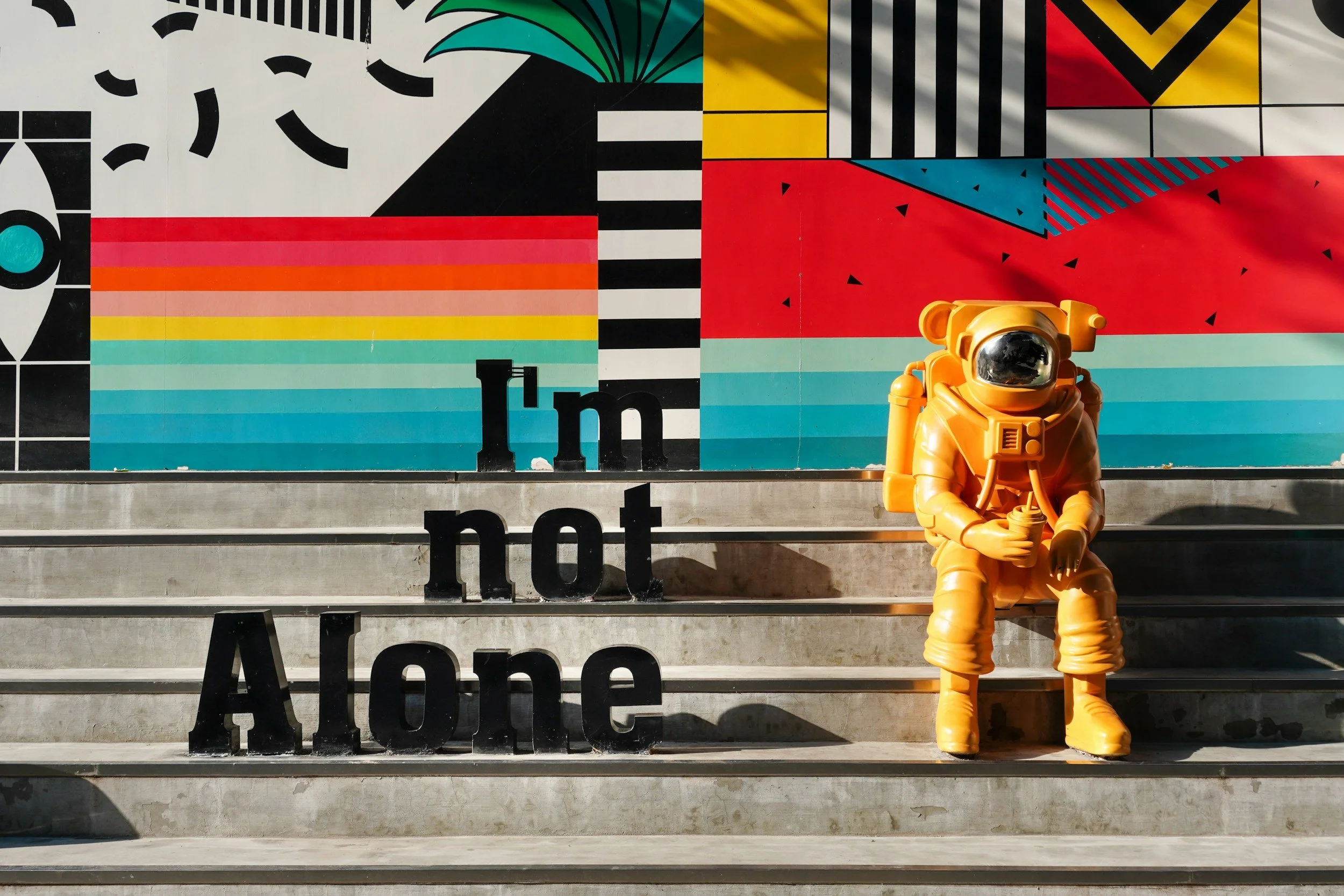
Here's the part no one warns you about: once you share your story, it no longer belongs only to you.
Someone reading at 2 a.m.—newly diagnosed, scared, searching for anything that makes sense—might land on your words and feel something loosen in their chest. Someone who hasn't told their friends how bad it's getting might think, Oh. It's not just me.
Hope doesn't always look like optimism. Sometimes it looks like recognition. When people comment or message to say, "Thank you for saying this," what they often mean is, You said the thing I didn't know how to say.

One of the biggest myths about sharing your journey is that you have to be inspirational all the time. You don't. Hope doesn't come from pretending things aren't hard. It comes from showing that even when things are hard, life still has texture. Humor still sneaks in. Meaning still shows up in unexpected places.
When you write honestly—about fatigue, frustration, loss, small adaptations, grief, and anger—you give others permission to be honest too. That kind of hope is sturdy. It doesn't collapse the moment things get worse.
What It Gives Back to You
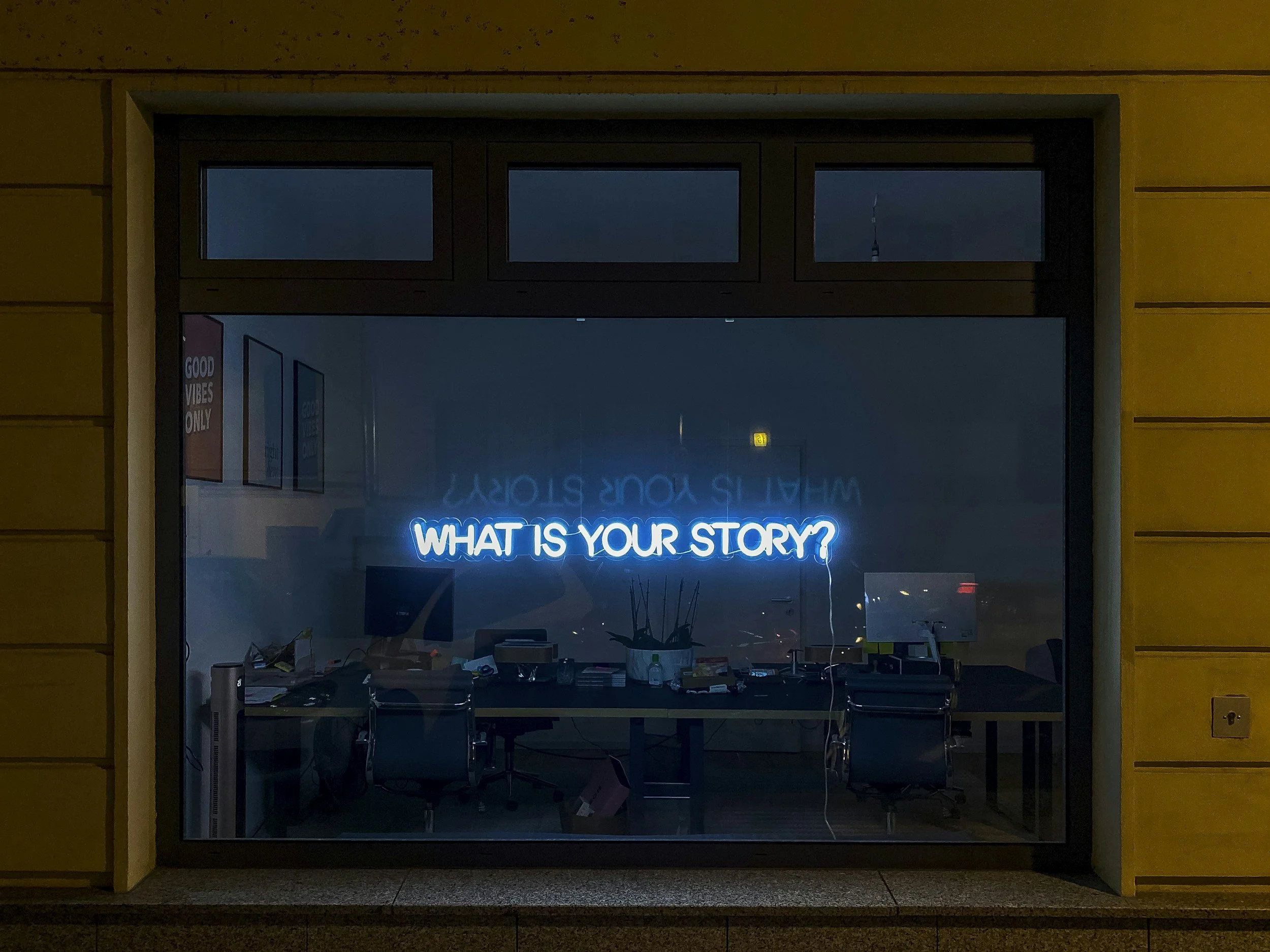
This might be the most surprising part: sharing your story helps you as much as it helps anyone else. It reminds you that your experiences matter. That your perspective—earned through struggle—is valuable. That even on days when your body limits you, your voice doesn't have to disappear with it.
Writing can restore a sense of agency in a life where so much feels out of control. You may not be able to change the diagnosis, but you can shape the narrative. You can decide what gets named, what gets laughed at, and what gets remembered.
You don't need medical credentials or a polished message. You don't need answers. Some of the most meaningful posts aren't about breakthroughs or solutions. They're about adaptations that didn't quite work. Doctors' appointments that missed the mark. Small victories no one else would notice.
Your story doesn't have to be extraordinary to be important. Ordinary truth is often what people are starving for.

Leaving a Trail
Rare diseases are lonely partly because there's so little visible road ahead. Blogs become signposts. Proof that someone else walked this path before. Even if you never know who reads your words, they exist now. They're searchable. They're waiting. And someday, someone will find them and feel less alone because you chose to speak.
I keep writing, even when I'm tired and wondering if anyone cares, because stories are how humans find each other. And in a world where illness can shrink your life, sharing your voice is a way of expanding it again—outward, toward connection, toward meaning, toward hope. Not the flashy kind. The real kind. The kind that says: You're not alone. I see you. And we're still here.
If you've ever felt the pull to share your own story but hesitated, start small. A few sentences in a notes app. A single post shared with people you trust. Your story doesn't need a lesson or a tidy ending. It only needs to be honest. Let me know in the comments where I can find your story when you're ready to share it.
“All we have to decide is what to do with the time that is given us.”
— J. R. R. Tolkien
We have a bookshop store HERE where you can find books Linda has read, or that look helpful for folks dealing with chronic diseases of various kinds.
This blog post is based on personal experiences and is not meant to provide medical advice.
Always consult your healthcare professional for personalized guidance on your health journey.